Steel Balls With Threaded Holes Cost Guide
2026-08-19


Steel balls with threaded holes are precision spherical components that receive an internal thread so they can connect with rods, fasteners, handles, linkages, fixtures, or other mating parts. The thread is a form of screw thread created inside the sphere, rather than on its outside surface. For a purchasing manager, the main sourcing risk is treating a tapped sphere as a standard ball purchase. It is not. The ball itself, the selected material grade, the tapped feature, thread depth, inspection request, and order quantity all affect the quotation. Steel balls with threaded holes should therefore be quoted from a drawing or a clear written requirement. This approach fits buyers who need custom components for prototypes or repeat production. It does not apply when an ordinary untapped bearing ball is sufficient, because that product follows a different pricing and inspection route.
Steel balls with threaded holes can be grouped by the requested feature arrangement rather than by one fixed catalog format. A buyer may request one threaded hole, threaded holes on opposing sides, a blind tapped hole, or a through-hole followed by threading. A blind hole stops inside the sphere, while a through-hole passes through it; the distinction must appear on the drawing because it changes machining access and inspection needs. Buyers may also specify steel, alloy, metal, or ceramic ball bases according to their assembly requirement, although thread feasibility must be confirmed for the selected material. JHSteel Balls Co.Ltd. supplies precision balls, steel balls, metal balls, alloy balls, ceramic balls, CV joint balls, and bearing balls. Choose the simplest feature arrangement that performs the assembly function. That is usually the lower-cost route. This recommendation does not apply if the connection requires a specific hole orientation or an enclosed thread end.

The defining feature of steel balls with threaded holes is the combination of spherical geometry and a functional internal connection point. A usable RFQ should identify the ball diameter, material grade or requested material, tap size, thread designation, thread depth, hole quantity, hole location, drawing revision, and required inspection evidence. If the buyer needs the thread to mate with an existing part, send the mating-part specification or sample information as well. The clearest conclusion is simple: specify the finished feature, not only the ball size. The reason is that a sphere may be available in the needed diameter while the tapping request still requires separate process planning. This detail level suits prototype purchasing, where design uncertainty is common, and production purchasing, where repeatability matters. It does not replace a technical review when the thread is near a curved surface, when multiple holes interact, or when the requested material has not yet been selected.
Steel balls with threaded holes are relevant when a spherical form must also act as an attachment point. Typical buying situations include adjustable mechanical linkages, mounting hardware, fixtures, controls, articulated assemblies, decorative metal hardware, and industrial mechanisms that need a ball-shaped component connected to another part. The right purchasing decision is to use a threaded sphere only when the spherical form contributes to the end assembly. If the part only needs an internal thread, a conventional threaded fitting may reduce machining and inspection work. For buyers evaluating motion-related components, it is useful to compare the intended role with industrial steel ball uses before fixing the drawing. This recommendation fits an engineering team deciding between a custom sphere and a standard fastener. It does not apply where the end assembly needs a dedicated bearing component, because bearing design requirements must be evaluated separately.
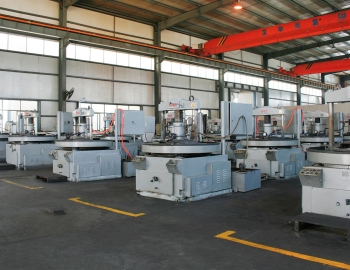
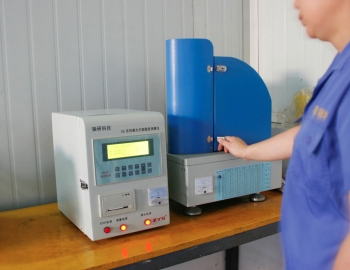
Threaded steel ball pricing cannot be calculated responsibly from diameter alone. A small sphere with a demanding internal feature may require more attention than a larger untapped ball, while a larger order can spread setup activity over more pieces. The most useful budget method is to separate confirmed facts from directional estimates and quote-dependent unknowns. For steel balls with threaded holes, JHSteel Balls can process and produce balls according to customer needs, and the company uses advanced steel ball inspection equipment with an intelligent quality checking system. Those are confirmed manufacturing facts. However, no fixed public price, fixed tap range, fixed thread-depth limit, or standard minimum order quantity has been provided. Buyers should not convert a preliminary budget assumption into a purchase-order price until the supplier reviews the specification.
| Cost category | What can be treated as known | What requires quotation review |
|---|---|---|
| Confirmed facts | JHSteel Balls can produce to customer needs and conducts strict inspection using advanced equipment. | The exact process route for the requested threaded sphere. |
| Estimated cost direction | More machining features, added inspection requirements, and smaller order volume generally increase unit-cost pressure. | The monetary effect for a particular drawing, material grade, and order quantity. |
| Unknown costs | No public unit price, tooling charge, tap capability limit, or custom steel ball MOQ is stated. | Final unit price, one-time charges, sampling needs, and production acceptance terms. |
The practical cost model for steel balls with threaded holes uses six quote inputs. The conclusion is that no single factor should be priced in isolation. Diameter affects the starting ball and available working area. Material grade affects the suitability of the base sphere for the requested operation. Tap size and thread depth influence the machining requirement. Inspection method changes the evidence and checking work requested. Order volume affects how setup-related effort is allocated across the order. This model suits a purchasing manager comparing prototype demand with a planned production release. It does not produce a confirmed stainless threaded ball price or a confirmed tapped steel sphere cost without a drawing, quantity, and acceptance requirement. The table below shows direction only, not a published price schedule.
| Cost driver | Likely unit-price direction | Reasoning for the buyer | Information to send for confirmation |
|---|---|---|---|
| Ball diameter | Estimated to change price with the starting sphere and machining access. | Diameter determines the base part and influences the space available for the tapped feature. | Finished diameter and any ball-grade requirement. |
| Material grade | Estimated to vary by requested material and processing needs. | A material request should be evaluated together with the thread requirement, not after ordering the balls. | Material grade, corrosion requirement, and mating-part information. |
| Tap size | Estimated to change with thread form and tapping requirement. | The supplier needs the exact thread designation to assess the feature. | Thread designation and drawing callout. |
| Thread depth | Estimated to increase cost pressure when added depth requires added controlled machining and checking. | Depth must be defined as a finished requirement, especially for blind holes. | Thread depth, blind or through condition, and allowable thread runout. |
| Inspection method | Estimated to increase cost when added inspection records or feature checks are requested. | Inspection expectations should be stated before quotation. | Required report, sample approval, and acceptance criteria. |
| Order volume | Estimated unit price pressure is usually higher for prototypes than for repeat-volume orders. | Setup and review activity are spread across fewer parts in a small order. | Prototype quantity, forecast quantity, and release schedule. |
For budgeting steel balls with threaded holes, create two purchasing scenarios rather than requesting one vague price. The first scenario should list the prototype quantity, drawing revision, requested inspection, and any sample requirement. The second should list the expected production quantity and release pattern. This comparison gives procurement a clearer view of which costs may be one-time and which may recur with every part. The approach is especially useful when a design team expects to change thread depth after early assembly tests. It is less useful when the design is not stable enough to identify basic diameter, tap size, or material grade. In that case, resolve the drawing first; otherwise, every budget number remains highly conditional.

Steel balls with threaded holes should be requested through a controlled RFQ package. Start with the finished-part drawing and identify the threaded feature directly on that drawing. Next, state whether the hole is blind or through, then add the thread designation and required depth. After that, list the requested material grade, ball diameter, quantity, inspection expectation, and delivery destination. Finally, separate prototype and production quantities instead of blending them into one estimate. This procedure gives the supplier enough information to identify open questions before pricing. It fits buyers who want comparable supplier quotations. It does not apply when the purchasing team only has a concept sketch; in that case, request technical selection advice before demanding a final price.
Steel balls with threaded holes are often misquoted because the RFQ describes the ball but not the finished threaded feature. The first mistake is giving a diameter with no thread designation. The second is requesting a thread depth without stating whether the hole is blind or through. The third is assuming that a stainless threaded ball price can be compared directly with a price for another material grade without matching the entire drawing. The fourth is combining prototype and production quantities, which hides the effect of setup-related work. The fifth is adding inspection requirements after a price has been accepted. Avoid these errors by using one controlled specification sheet for every supplier. This method fits competitive bidding and internal budget approval. It does not eliminate the need for supplier confirmation where thread access, material choice, or inspection criteria remain open.
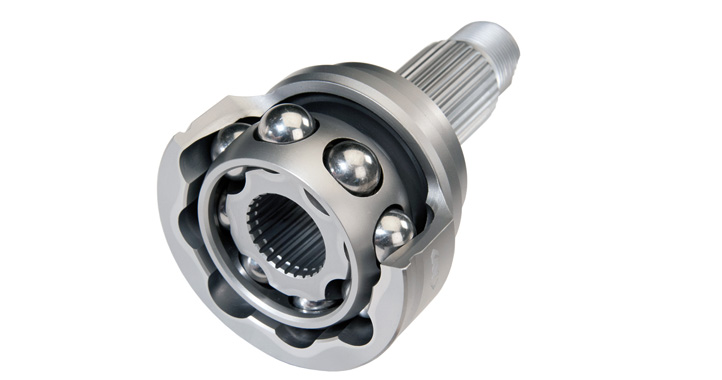
As a supplier for steel balls with threaded holes, JHSteel Balls Co.Ltd. can process and produce steel balls according to customer needs. The company manufactures different standards of steel balls from 9.525 mm to 26.987 mm and reports annual production of 150 million to 200 million steel balls. Its products include precision balls, steel balls, metal balls, alloy balls, ceramic balls, CV joint balls, and bearing balls. Buyers who need a base-ball reference can review steel ball specifications and tolerances and custom precision steel balls before submitting a threaded-feature drawing. This supplier route fits projects requiring a custom discussion around the finished part. It does not mean every material, tap size, depth, or inspection request is pre-approved; those details require quote review.
Steel balls with threaded holes do not have one reliable universal cost because price depends on the finished feature set and purchase quantity. The buyer should treat any price stated without diameter, material grade, tap size, thread depth, inspection method, and volume as incomplete. For a budget request, ask for separate prototype and production scenarios, then ask the supplier to identify which items are confirmed and which are assumptions. This gives finance and engineering a usable comparison without presenting an estimate as a fact. The method fits purchasing managers planning a new custom part. It does not apply to standard untapped balls, which should be quoted using their own size, grade, and quantity requirements.
For steel balls with threaded holes, deeper tapping may increase estimated price pressure because the requested internal feature can require more controlled machining and checking. The correct conclusion is not that every added depth creates the same cost change. The actual effect depends on ball diameter, material grade, tap size, blind or through construction, inspection method, and order volume. A buyer should provide the required finished depth and ask the supplier whether the requirement changes process planning. This question fits a design team comparing two workable thread depths before releasing the drawing. It does not apply if the drawing has not defined the thread or hole type, because depth alone is not enough to evaluate the part.
Custom steel ball MOQ is affected by the supplier’s review of the requested ball, threaded feature, inspection needs, and order arrangement. Steel balls with threaded holes may need separate consideration for prototypes and repeat production because smaller quantities can carry more unit-cost pressure from setup and review activity. The practical action is to state the immediate quantity, expected future volume, and whether a sample or first-piece approval is needed. This helps the supplier respond with a quote structure that reflects the project stage. It fits buyers preparing a phased purchase plan. It does not guarantee a specific minimum order quantity, because JHSteel Balls has not published a fixed MOQ for custom threaded spheres.
If you are sourcing steel balls with threaded holes, send JHSteel Balls Co.Ltd. your drawing, thread details, inspection request, and prototype and production quantities for a current quotation.
Contact JHSTEELBALLS to get high quality and precision steel balls for your applications, bearings lines and any other applicable places. We will reply within 24 hours