Steel Balls With Threaded Holes Cost Guide
2026-08-19


custom metal ball production is the controlled manufacture of metal balls to a buyer’s required diameter, geometry, material route, surface condition, and inspection criteria. For an OEM team, the main concern is not simply making a spherical part. The concern is producing repeatable balls without cracks, out-of-round conditions, grinding burns, surface damage, or mixed lots when a prototype moves into production. Custom metal ball production therefore combines forming, heat treatment, grinding, finishing, cleaning, and inspection into one linked process route. A defect introduced early can remain hidden until the final check. Review the planned route before approving samples, because a visually acceptable prototype may still have process conditions that create scrap at higher volume. JHSteel Balls Co.Ltd. manufactures steel balls, precision balls, metal balls, alloy balls, ceramic balls, CV joint balls, and bearing balls for customer requirements.
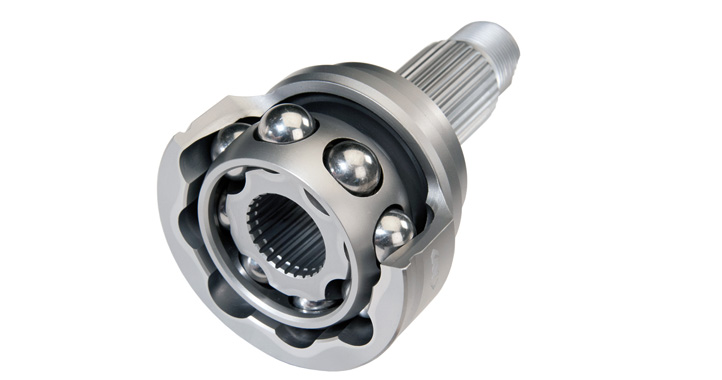
Custom metal ball production can involve bearing balls, CV joint balls, general metal balls, alloy balls, grinding balls, and balls intended for specific mechanical assemblies. The selected ball type determines which defect risks receive the most attention. A ball for a rotating bearing typically needs close control of geometry and metal ball surface finish, while a ball for a CV joint requires a process route suited to demanding contact conditions. For product comparisons, review precision steel ball products alongside the actual drawing and application. Do not assume that two balls with the same nominal diameter can use the same production controls. The application, contact load, finishing requirement, and inspection method may differ. Custom sphere manufacturing should begin with a part-specific control plan rather than a reused plan from an unrelated ball design.
| Ball Type | Primary Production Focus | Likely Scrap Risk | When This Focus Does Not Apply |
|---|---|---|---|
| Bearing ball | Roundness, surface condition, lot consistency | Out-of-round results and finish damage | Not sufficient alone when the ball has a special assembly requirement |
| CV joint ball | Controlled heat-treatment and finishing route | Cracking or damaged contact surfaces | Does not replace validation in the intended joint design |
| Industrial grinding ball | Material route and resistance to handling damage | Surface chipping and inconsistent shape | Not intended as a rule set for precision bearing applications |
| Custom metal ball | Drawing-specific process control | Wrong route selected from a similar-looking part | Requires buyer approval when requirements are incomplete |
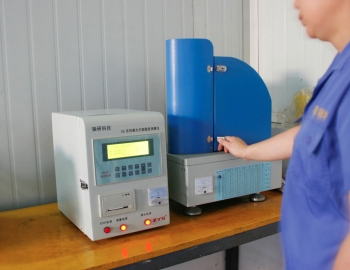
The best feature of a scrap-resistant route is traceability between each process step and the final acceptance criteria. In custom metal ball production, record the incoming lot identity, forming route, heat-treatment batch, grinding stage, final inspection result, and segregation status. This creates a practical way to isolate a defect instead of mixing suspect parts with accepted parts. The company brief states that JHSTEELBALLS uses advanced steel ball inspection equipment and a complete intelligent quality checking system. That matters when a buyer needs evidence that process variation is being checked rather than assumed away. Use the applicable steel ball specifications as the reference point for tolerances and inspection expectations. A documented quality route fits production scaling. It does not replace a clear customer drawing, acceptance method, or application review.
Custom metal ball production supports applications such as bearings, automotive CV joints, industrial equipment, and other assemblies that use spherical rolling or contact elements. The correct control plan follows the functional failure mode. For bearing-related work, the buyer should prioritize roundness, surface consistency, cleanliness, and traceable inspection. Review high precision bearing balls when the ball will operate in a bearing assembly. For automotive applications, the process review should also address the intended contact environment and drawing requirements; see automotive CV joint balls for the relevant product category. The practical rule is simple: define the application before finalizing the manufacturing route. A generic inspection plan is not enough when an OEM ball has a specific contact, movement, or assembly function.
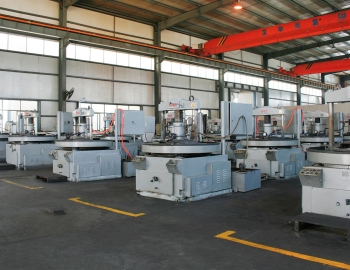
Custom metal ball production avoids preventable scrap when stock allowance, heat treatment sequencing, and ball grinding process settings are planned as one system. The conclusion is to preserve enough material for correction after earlier steps, stabilize the ball before final finishing, and remove material progressively instead of forcing correction in the last grinding stage. This approach fits prototype-to-production transfer because it exposes the source of variation before a large lot is committed. It does not apply as a fixed recipe for every material or diameter. The buyer and supplier must establish the route from the actual drawing, material selection, required finish, and inspection result. Do not approve a route solely because it worked for another ball size or application.
| Control Point | Action to Take | Why It Prevents Scrap | Common Failure Reason |
|---|---|---|---|
| Stock allowance | Define planned material remaining for later correction before forming and each grinding stage. | Allows shape and surface correction without exposing an unrecoverable defect. | Too little remaining stock leaves no correction margin; too much can create unnecessary grinding load. |
| Heat-treatment sequence | Complete the specified heat-treatment stage before final geometry is locked by finishing. | Reduces the risk that later thermal movement ruins final roundness. | Final grinding performed too early can make later distortion appear as a grinding defect. |
| Grinding parameters | Use staged removal, clean media, stable feeding, and inspection between stages. | Limits excessive local removal, surface damage, and shape drift. | Trying to correct all variation in one pass causes out-of-round results or poor finish. |
| Inspection response | Stop, segregate, and review a trend before continuing the lot. | Prevents a repeating defect from becoming a full-lot loss. | Continuing production after a warning sign spreads the same defect. |
Custom metal ball production pricing changes when the requested route needs more process stages, additional inspection, special handling, smaller lot segregation, or tighter control of the metal ball surface finish. The correct purchasing decision is to compare suppliers on process scope rather than unit price alone. A low quoted price may exclude inspection records, separate processing, packaging protection, or sample validation needed to prevent a larger loss at assembly. This pricing logic fits OEM and production buyers who need predictable incoming quality. It may not apply when the purchase is for a noncritical general-purpose ball with minimal documentation needs. Ask each supplier to state what the quote includes, which inspection records are available, how nonconforming lots are handled, and whether the production route changes after prototype approval.
| Price Driver | Buyer Question | Potential Cost Effect |
|---|---|---|
| Drawing complexity | Does the part require a special process route? | More setup and control steps may be required. |
| Inspection requirement | Which results must accompany each lot? | Additional checking and documentation may affect cost. |
| Surface requirement | What surface condition is acceptable for the application? | More finishing stages may be needed. |
| Lot handling | Must lots remain fully segregated and traceable? | Separate handling and records may be required. |
Before scaling custom metal ball production, provide a controlled purchase package that removes assumptions. Include the drawing, intended application, ball type, requested inspection criteria, surface expectations, packaging needs, sample quantity, and the approval authority within your organization. The strongest approach is to approve the process route as well as the sample. A sample can look acceptable while its manufacturing controls remain unsuitable for repeat production. This guide fits engineering teams preparing a prototype release and purchasing teams comparing quotations. It does not replace application testing by the OEM where the ball interacts with other components. Keep the original approved sample, inspection record, and deviation notes together. When the next order is placed, compare the new route and inspection plan against that approved reference before authorizing production.
To prevent out-of-round metal balls, control shape before fine finishing and inspect after each process stage that can change geometry. In custom metal ball production, define stock allowance for correction, complete heat-treatment steps before final geometry is established, and use staged grinding rather than forcing correction at the end. Check machine condition, part flow, media cleanliness, and lot handling when roundness trends appear. This approach fits balls with demanding geometry requirements, including bearing-related applications. It does not mean every deviation is a grinding issue. If the defect appears after thermal processing, the root cause may be earlier forming variation or heat-treatment movement. Hold affected lots, compare records by stage, and correct the first process point where the geometry changed.
Custom metal balls can crack after heat treatment when earlier process conditions, thermal sequencing, or material preparation create stress that becomes visible during the thermal stage. The immediate response should be segregation and traceability, not additional grinding. Grinding cannot repair a crack and may hide evidence needed for root-cause review. In custom metal ball production, compare the affected lot with its forming records, heat-treatment batch identity, handling history, and post-treatment inspection results. This investigation fits any ball where cracking appears after the thermal route. It does not support assuming a single cause without evidence. Confirm the approved process route and identify whether the issue is limited to one lot or repeats across lots before restarting production.
To reduce defects in ball grinding, use progressive removal, maintain clean working conditions, inspect between stages, and stop production when surface or geometry trends emerge. The ball grinding process should have a defined purpose at each stage: shape correction, surface refinement, or final finishing. Combining all correction into one final stage increases the chance of excessive removal, poor metal ball surface finish, and out-of-round results. This method fits custom sphere manufacturing where repeatability matters more than a quick sample result. It does not remove the need for proper upstream forming and heat-treatment controls. If grinding defects continue, review the whole route rather than changing only the final grinding setting.
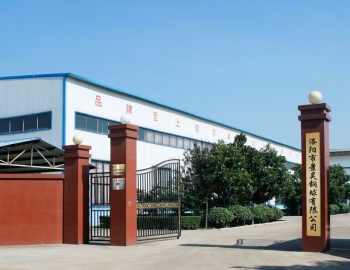
JHSteel Balls Co.Ltd. supports custom metal ball production for buyers who need steel balls, precision balls, metal balls, alloy balls, ceramic balls, CV joint balls, and bearing balls. The company produces different standards of steel balls from 9.525 mm to 26.987 mm, with annual production of 150 to 200 million steel balls, and can process products according to customer needs. Advanced steel ball inspection equipment and an intelligent quality checking system are used to support strict inspection. For a custom project, send your drawing, application details, inspection requirements, and sample expectations before production approval. If you are looking for a custom metal ball production supplier, contact JHSteel Balls Co.Ltd. for a current quote.
Contact JHSTEELBALLS to get high quality and precision steel balls for your applications, bearings lines and any other applicable places. We will reply within 24 hours