
Polished Steel Balls Mirror Finish Grades Explained
2026-08-02


A steel ball factory is a manufacturing facility that forms, heat-treats, grinds, inspects, cleans, preserves, and packs spherical metal products for industrial use. A capable factory does far more than make a round steel component. It manages diameter, roundness, surface finish, hardness, cleanliness, rust protection, and shipment preparation as part of one controlled process. For export orders, packaging is directly tied to product quality. Steel balls may travel thousands of kilometers by truck, vessel, rail, and local delivery vehicle before reaching the buyer. Proper packaging reduces movement, protects finished surfaces from impact, controls moisture, and keeps batch details legible. The finished package should arrive dry, clean, correctly identified, and ready for incoming inspection or production use.
A steel ball factory may supply several product groups based on material, size, accuracy, and intended use. Common products include precision steel balls for instruments and motion systems, bearing balls for radial and rotary bearings, chrome steel balls for automotive and industrial components, carbon steel balls for general mechanical applications, stainless steel balls for corrosion-sensitive environments, alloy steel balls for high-load applications, ceramic balls for low-friction or electrically insulated assemblies, and grinding balls for mills. JHSteel Balls Co.Ltd. also produces automotive CV joint balls, metal balls, and customized products made to customer drawings or specifications. Buyers can review the company’s precision steel ball products when comparing material grades, sizes, tolerances, and applications.
The finished surface of a precision ball can be affected by even a small dent, abrasion mark, stain, or particle of contamination. Packaging must therefore match the product’s technical grade. Bearing balls need protection against rust and surface-to-surface contact. CV joint balls require separation so hard parts do not strike each other in transit. Ceramic balls may need additional cushioning because they are more vulnerable to brittle impact. Ground steel balls need clean inner packaging, as dust, chips, and moisture can interfere with later assembly or testing. Important features include diameter accuracy, roundness, hardness, surface roughness, material composition, and cleanliness. Before approving a packing method, buyers should review applicable drawings, grades, and tolerances through the supplier’s steel ball specifications and tolerances.
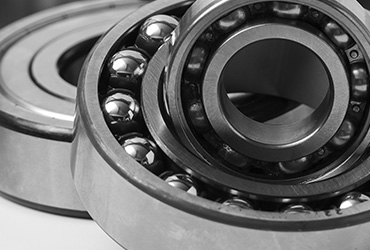
Steel ball production generally starts with suitable wire or bar stock. The material is cut, headed or formed, heat-treated when required, rough ground, fine ground, lapped, cleaned, inspected, and sorted. The steel ball factory process does not end at inspection. Operators confirm quantity, lot number, size, grade, and customer requirements before applying rust preventive oil or another approved protective treatment. Balls may be packed by weight or counted quantity, depending on the order. A buyer may request sample inspection, a certificate of conformity, material documentation, or a specific packing list. Every stage should leave a traceable record, making it easier to identify the production batch if a question arises after delivery. Buyers interested in the manufacturing sequence can read the guide on steel ball manufacturing steps.
Rust prevention begins with clean, dry surfaces. After final washing, balls should not enter packaging while water, cleaning residue, or fingerprints remain. Depending on the material and customer requirements, the factory may apply a thin rust preventive oil, use volatile corrosion inhibitor paper, or combine both methods. The chosen protection should not interfere with the buyer’s assembly, lubrication, coating, or inspection process. For extended sea shipments, the inner bag must be properly sealed and the outer container should resist punctures. Stainless steel and ceramic products may need different treatment than carbon or chrome steel balls. A written agreement covering oil type, oil quantity, storage period, and cleaning instructions helps prevent avoidable disputes between the industrial steel ball supplier and the purchaser.
Humidity is a frequent cause of transit damage, particularly when cargo passes through tropical ports, cold storage areas, and containers exposed to day-to-night temperature changes. Condensation can form inside a closed carton even if the package appeared dry when it left the factory. Export packaging may therefore include sealed polyethylene bags, moisture barrier film, desiccant packs, and corrosion inhibitor materials. Desiccant should be selected according to package volume and expected shipping time, not added at random. The bag needs sufficient space to protect the seal from sharp edges, while the carton must prevent the balls from crushing or puncturing the inner layer. Packaging staff should record sealing dates and inspect representative cartons before loading. These practical checks reduce the chance that a buyer opens a wet package after a six-week ocean shipment.
Steel balls can damage one another when they roll freely inside a large container. Repeated contact may leave small marks, especially on highly finished precision products. A practical packing design may use strong bags, divided plastic trays, molded inserts, partitioned boxes, or smaller inner containers. The best option depends on ball diameter, mass, surface grade, and transportation distance. Heavy grinding balls need packaging that can support the load without splitting at the bottom. Small bearing balls need containers that prevent escape through gaps. Products with different sizes or grades should never be mixed in one unmarked package. A factory should also avoid loose metal straps near the product unless an inner barrier prevents contact. Clean separators matter because wood dust, metal particles, and packaging fibers can contaminate the balls.
Clear labeling speeds up receiving and helps prevent mix-ups. Each carton, drum, or pallet should display the product name, material grade, nominal diameter, quantity or net weight, lot number, purchase order, country of origin, and handling information where required. Labels should remain readable after condensation exposure and normal warehouse handling. A packing list must match the physical marks on every package, not simply the total carton count. For precision orders, the supplier may also identify the inspection level, tolerance class, or customer drawing number. Barcodes can help large distributors scan incoming goods, while clear printed marks remain useful in smaller workshops. Buyers should provide their preferred label format before production starts. This small detail can prevent customs questions, warehouse delays, and incorrect stock entries once the shipment reaches its destination.
Palletization provides export cargo with a stable base and makes forklift handling safer. Cartons should be arranged so weight is distributed across the pallet, rather than concentrated in the center or along one edge. Heavy packages belong on lower levels, while lighter or more delicate containers should be stacked above them. Stretch film helps hold the load together, but it cannot replace strong cartons or proper strapping. Corner boards and top sheets add protection against compression. Inside the container, pallets should be blocked or braced so they cannot slide during braking, turns, vessel movement, or rough road conditions. Empty spaces should be filled with suitable dunnage, and cargo should not rest directly against a damp container wall. Before closing the doors, the loader should photograph the arrangement, verify the seal number, and retain the loading record.
Packaging affects the delivered price of steel balls, but the cheapest method is not always the lowest-cost option overall. Pricing may vary with product grade, diameter, tolerance, heat treatment, surface finish, quantity, oil treatment, inner containers, pallet type, export cartons, and shipping route. A small precision ball order may require more labor and protective material per kilogram than a full container of standard balls. Heavy products also raise pallet, handling, and freight costs. Buyers should request quotations that separate product price, packaging, documentation, and delivery terms. They should also state whether the shipment will move by air or sea and how long it may remain in storage. A clear packaging budget allows the supplier to choose practical protection without adding unnecessary materials or leaving cargo exposed to moisture and impact.
When goods arrive, the receiving team should check pallet condition, seal number, carton count, labels, and visible signs of water damage or crushing before unloading. Photograph damaged packages before opening them. After opening, inspect the inner bags and representative balls for rust, dents, stains, or mixed sizes. Do not place opened containers near chemicals, salt, wet concrete, or machining debris. Store products in a dry room with a stable temperature, raised above the floor and away from direct sunlight. If a package is opened for production, reseal the remaining balls with a clean moisture barrier and suitable corrosion protection. Follow the supplier’s cleaning instructions before assembly. For bearing, CV joint, and precision applications, avoid touching finished surfaces with bare hands, as perspiration can leave marks that later develop into corrosion.
Buyers can reduce steel ball transit damage by providing complete information before the quotation is finalized. State the ball diameter, material, tolerance, surface finish, quantity, destination, transport mode, expected storage period, and any restrictions on oil or packaging materials. Ask whether products are separated by lot and whether the supplier uses moisture barrier bags and desiccants for ocean freight. Request package dimensions and gross weight so the warehouse can prepare suitable unloading equipment. If the route involves several transfers, use stronger outer cartons, pallet bracing, and clear handling marks. Buyers should also agree on the inspection method and claim evidence before shipment. In practice, early communication about package size and labeling prevents more problems than last-minute fixes after the container has already departed.
JHSteel Balls Co.Ltd. serves customers looking for an industrial steel ball supplier for precision balls, bearing balls, alloy balls, ceramic balls, metal balls, and automotive CV joint balls. The company produces approximately 150 to 200 million steel balls annually in different standards and sizes from 9.525 to 26.987 mm, with processing available according to customer needs. Products are inspected with advanced steel ball inspection equipment and supported by an intelligent quality checking system. JHSteel Balls can discuss product grade, tolerances, rust prevention, inner protection, carton design, palletization, labels, and container loading before shipment. Buyers can also review industrial steel ball uses and the company’s automotive CV joint steel balls when selecting products for a specific project. If you are looking for a dependable steel ball supplier, contact JHSteel Balls Co.Ltd. for current product quotations and export packaging options.
A steel ball factory typically cleans and dries the balls first, applies an agreed rust preventive treatment, and places them in sealed inner bags or containers. Depending on size and accuracy requirements, the balls may be separated with trays, partitions, molded inserts, or smaller boxes to prevent contact damage. The inner package is then placed inside strong export cartons, drums, or cases. Desiccant and corrosion inhibitor materials may be included for long sea shipments. Packages are labeled with the product grade, diameter, quantity or weight, lot number, and purchase order information. Cartons are palletized, wrapped, strapped, and secured inside the container. The exact method should reflect ball weight, surface finish, transport route, storage time, and the buyer’s handling system.
The most effective packaging combines several protective layers rather than relying on a single material. A clean, sealed moisture barrier bag helps control humidity, while rust preventive oil or inhibitor paper protects exposed steel surfaces. Dividers, trays, or smaller inner boxes stop balls from striking one another. Strong cartons or steel drums support the load, and pallets make forklift handling safer. For ocean freight, desiccant and container bracing are often appropriate because humidity and movement can continue for weeks. Packaging should also prevent punctures caused by sharp edges or excessive weight. Chrome steel bearing balls, carbon steel balls, grinding balls, ceramic balls, and CV joint balls may require different internal protection. Buyers should request a packing specification instead of accepting a general statement that goods are “export packed.”
Buyers can lower the risk by giving the supplier accurate technical and shipping details before production begins. Confirm the material, size, tolerance, surface finish, quantity, packing unit, destination, transport mode, and maximum storage period. Ask for sealed inner bags, corrosion protection, separators, pallet dimensions, and container bracing when the route is long or humid. Use one label format for all cartons and require lot numbers that match the packing list. At delivery, inspect the pallet and cartons before signing, photograph any damage, and check the inner package for moisture or rust. Store unopened packages off the floor in a clean, dry area. These actions help prevent corrosion, impact marks, contamination, quantity errors, and difficult claims after delivery.
Packaging is not an afterthought in a reliable steel ball factory. It connects manufacturing, inspection, storage, freight handling, and final use. JHSteel Balls Co.Ltd. can supply precision steel balls, bearing balls, alloy balls, ceramic balls, CV joint balls, and other metal ball products with packaging planned around the customer’s application and shipping route. Contact JHSteel Balls Co.Ltd. to discuss your required size, material, tolerance, quantity, destination, and export packaging needs, and request the latest product quotation.
Contact JHSTEELBALLS to get high quality and precision steel balls for your applications, bearings lines and any other applicable places. We will reply within 24 hours
