Steel Ball for Bearing Failure Prevention | JHSteel Balls
2026-08-05


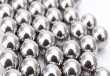
A large stainless steel ball is a precision‑engineered sphere with a diameter typically exceeding 50 mm, made from chromium‑rich steel that resists rust and chemical attack. Weights often cross 15 kg. These aren’t ornaments—they seal valve seats, carry loads in pivoting bridge joints, and serve as reference standards in metrology labs. Surface finishes routinely hit Ra 0.1 µm, and roundness errors stay below a single micron. That level of accuracy means a single fingerprint can kick off corrosion or embed enough grit to spoil a bearing. Every scratch costs real money. So the object sitting on your pallet isn’t just a chunk of metal. It’s a high‑value component that demands a maintenance mindset from the moment it leaves our factory.
The grade of stainless steel dictates how you’ll clean it, how often you’ll inspect it, and what chemicals it can tolerate. Grade 304 is the workhorse. It handles indoor industrial air and fresh water without complaint. Grade 316 adds 2‑3 % molybdenum, so a ball sitting in a seawater pump or a coastal architectural feature holds up far longer. Then you’ve got martensitic grades like 420 and 440C, which can be hardened above Rockwell 58. They’re used where wear resistance matters more than absolute rust‑proofing—think check valves in hydraulic systems. Some large balls are hollow to cut weight in floats or ball valves, while solid versions appear in high precision bearing balls for slewing rings. Choosing the wrong type for your application loads extra work onto your maintenance crew. If 304 lands in a chloride‑heavy environment, you’ll chase pits every month. Match the grade to the environment first, and the cleaning schedule becomes predictable.
A passive chromium‑oxide layer is what gives stainless its name. It’s self‑healing—scrape it, and oxygen rebuilds the film in minutes. But that film chokes in oxygen‑starved crevices. A ball pressed against a rubber seat with stagnant moisture underneath will pit. Dimensional precision is another eye‑opener. A 100 mm ball from our line carries a diameter tolerance of ±2.5 µm. Roundness can be under 0.5 µm. Dirt you can’t see with the naked eye can push a ball out of spec. Hardness also matters. 440C reaches HRC 60, which resists deformation but doesn’t prevent foreign particles from indenting the surface. We’ve watched a single 10 µm silica particle wear a groove into a ball over a 12‑week test run. Understanding these numbers moves maintenance from “wipe it down” to a precision task. When you know the ball has a mirror finish designed to match steel ball specifications and tolerances laid out by ISO 3290, you stop reaching for the nearest rag and start thinking cleanroom practices.
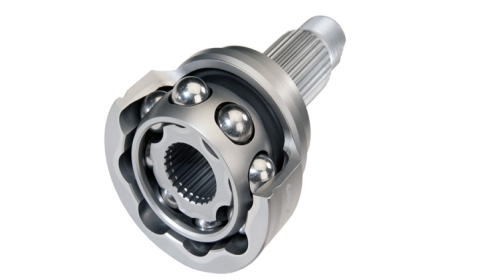
Walk through a gas terminal and you’ll find large stainless balls inside emergency shutdown valves, where one pit can leak fugitive emissions. In architecture, canopies and tensile structures use them as articulation nodes that flex under wind load. Food‑grade agitators rely on 316 balls to avoid contamination while enduring hot washdowns. Heavy‑truck steering knuckles use balls that survive grit, salt, and impact. Every single environment writes its own maintenance script. A ball in a dry nitrogen blanket needs almost no care; a ball in a paper pulp mill needs weekly rinses. For a broad look at how these components fit into different industries, check the range of industrial steel ball uses we support. Knowing exactly where your ball lives dictates everything—inspection frequency, cleaner chemistry, and whether you’ll need to repassivate after six months or six years.
Raw material surcharges on nickel and molybdenum swing the baseline cost of a ball. A 316 ball runs 20‑40 % higher than 304, but skipping it in a coastal plant leads to replacement bills that dwarf the initial saving. Precision grades push price upward exponentially. A G100 ball is affordable; a G10 ball might cost three times more because of extra grinding and lapping cycles. Maintenance planning feeds directly into total cost of ownership. A plant that installs automated mist lubrication and schedules quarterly dimensional checks gets five extra years from a ball, while a facility that lets flanges drip onto the ball face pays for early replacements. Coatings like hard chrome or physical vapor deposition (PVD) layers also add upfront cost but slash cleaning labor. When your budget goes to tender, include the line item for a maintenance kit—lint‑free wipes, pH‑neutral cleaner, and a certified calibration block for your micrometer. That $200 kit often prevents a $2,000 ball replacement.
Industrial ball cleaning starts before you touch the ball. Put on clean nitrile or lint‑free cotton gloves. Skin oil carries chlorides and you won’t see the damage until rust blooms days later. Lay the ball on a wooden or polypropylene cradle—never on steel benches. Mix a 5 % solution of pH‑neutral detergent and deionised water. Wet a clean microfiber cloth and wipe in straight passes, rotating the ball as you go. No circles. Circular motions can embed particles into the surface layer. For tacky deposits, an ultrasonic bath with a mild alkaline cleaner at 50 °C lifts grease without etching the passivation film. Rinse at least twice with deionised water, then blow dry with oil‑free compressed air. Water spots left to evaporate leave mineral ghosts that look like staining. This regimen forms the core of sensible stainless steel ball care.
After chemical exposure or cement dust, use a citric acid passivation gel—4 % citric acid, pH around 2—applied with a soft brush. Let it sit for 20 minutes, then rinse violently with deionised water. This removes surface iron particles and rebuilds the chromium‑oxide layer. Test the result with a copper sulfate spot check. If no copper plates out, the passive film is intact. Do this before re‑installation, never after the ball is already pitting.
Corrosion prevention starts with packaging. Wrap the ball in VCI (Volatile Corrosion Inhibitor) paper, then seal it in a polyethylene bag with a desiccant pack. Store the bag off the floor in a climate‑controlled area, ideally between 15 °C and 25 °C with under 50 % relative humidity. Inspect monthly. A tiny orange dot at a parting line means chlorides attacked the surface. Catch it early and a gentle polish with a titanium oxide paste can rescue the ball. Miss it and you’ll have a micropit that grows with every load cycle. Pro tip: never use cardboard boxes long‑term; they release sulfur compounds that tarnish steel.
Every 500 operating hours or quarterly, measure diameter at three equatorial planes with a calibrated digital micrometer. Record the values. A drift of more than 2 µm signals wear. If the ball functions inside a bearing, pull a grease sample and spread it on a white card. Look for metallic speckles. Silver‑white particles suggest ball wear; brass‑colored chips hint at cage deterioration. Lubrication should be lithium‑complex grease with EP additives, replaced per the OEM schedule. In humid environments, add a periodic wipe with a water‑displacing oil. One food plant we know runs a 15‑minute weekly “ball wipe” during line changeovers. Their 316 mixing balls are still within specification after eight years.
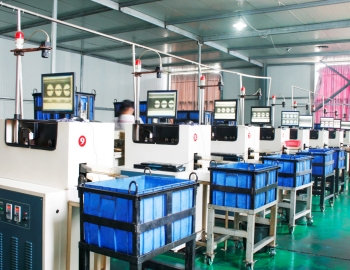
We manufacture over 150 million steel balls every year, from 9.525 mm to 26.987 mm and custom sizes beyond that range. Each ball rolls through automated optical sorters and eddy‑current gear that flags subsurface cracks invisible to the eye. Our factory holds full material traceability—every heat number ties to a mill certificate. For large stainless balls, we pack them in compartmented crates with VCI liners, ready for sea freight. Engineers from our technical team routinely advise overseas clients on installation clearances and cleaning protocols before the consignment even arrives. Whether you need a single large 316 sphere for a prototype or a container load of 440C balls for valve assemblies, we deliver consistent precision. Browse our precision steel ball products or talk to our sales desk about your exact diameter, grade, and tolerance. If you are looking for a reliable large stainless steel ball supplier, send your drawings or specifications and we’ll return a quote within 24 hours.
Disassemble the ball from the machine. Use potable water and a food‑safe alkaline cleaner (pH 8‑10). Scrub with a white non‑abrasive pad. Rinse thoroughly and sanitize with a peracetic acid solution at the concentration allowed by your local food safety regulation. Dry immediately with filtered air. Never use steel wool—iron residue can harbor bacteria and cause rust stains.
For permanent outdoor installations, design away from water traps. Ensure drainage gaps so rainwater doesn’t pool. Apply a clear, wax‑based anti‑corrosion spray every six months in marine environments. If the ball is part of an art sculpture, an annual wash with demineralised water and a soft brush removes chloride buildup. Avoid strong acid cleaners; they etch the passive layer.
First, inspect the storage packaging. If the VCI bag has holes or the desiccant is saturated, assume some surface corrosion has started. Remove the
Contact JHSTEELBALLS to get high quality and precision steel balls for your applications, bearings lines and any other applicable places. We will reply within 24 hours