Understanding Ball Precision Beyond the Grade Number
2026-08-20


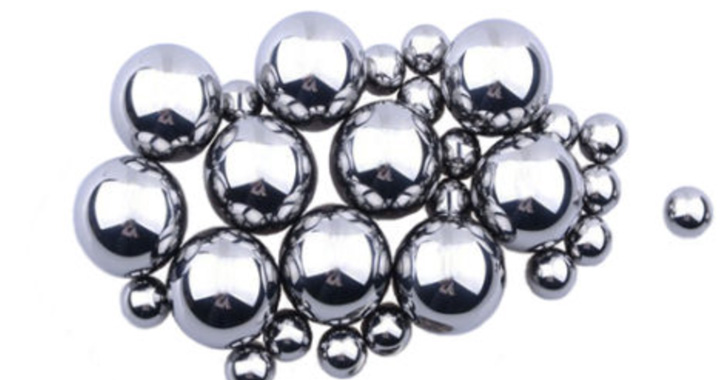
A precision ball for valve applications is a highly spherical component that acts as the primary sealing or flow-directing element within a ball valve, check valve, or relief valve. Its effectiveness depends entirely on its ability to form a tight, consistent seal against a valve seat. This requires exceptional roundness (sphericity), a smooth surface finish, and material properties that can withstand the specific operating conditions. Unlike general-purpose balls, a precision valve ball is engineered with tight tolerances to prevent leaks, minimize operating torque, and ensure a long service life, even under demanding pressure, temperature, and chemical exposure. A failure in material selection or geometry can lead directly to system failure, costly downtime, and safety hazards.
The material of a precision ball dictates its performance in a valve. Choosing the correct type is the first step toward reliable operation. Each material family offers a distinct profile of hardness, corrosion resistance, and temperature stability. The most common categories for valve service include:
Beyond the base material, several key features define the quality and suitability of a precision ball for valve use. These characteristics are specified by grade standards from organizations like the American Bearing Manufacturers Association (ABMA) and directly impact sealing ability and longevity. Key features include:
Choosing the wrong precision ball leads to predictable failures. A soft ball in an abrasive slurry will scratch, creating leak paths. A chrome steel ball in a chemical line will corrode, seizing the valve. The goal is to match the ball's material properties and geometric precision to the service conditions to prevent these outcomes. This decision directly reduces leakage and seat wear over the valve's lifetime.
The following table outlines how to specify a precision ball for common challenging valve services.
| Service Condition | Recommended Material | Required Surface Finish | Sphericity Grade | How It Prevents Failure |
|---|---|---|---|---|
| Corrosive Media (e.g., acids, saltwater) | Stainless Steel 316L, Zirconia, or Silicon Nitride Ceramic | Low Ra (<0.1 μm) | Grade 25 or better | Prevents Leakage: The material's chemical inertness prevents pitting and surface degradation, which would otherwise create microscopic leak paths past the seat. |
| High Pressure (e.g., hydraulic systems) | Chrome Steel (AISI 52100), Stainless Steel 440C | Standard to Low Ra | Grade 100 or better | Prevents Seat Wear: High material hardness (compressive strength) resists deformation under extreme pressure, preventing the ball from being permanently indented by the seat. |
| Abrasive Slurry (e.g., mining, wastewater) | Silicon Nitride (Si3N4) Ceramic, Hardened Stainless Steel 440C | Low Ra (<0.05 μm) | Grade 10 or better | Prevents Leakage & Wear: Extreme hardness resists scratching and erosion from solid particles. The smooth finish and high sphericity ensure a tight seal even as minor wear occurs. |
| High Cycle / Throttling (e.g., control valves) | Stainless Steel 440C, Chrome Steel, Silicon Nitride | Very Low Ra (<0.02 μm) | Grade 10 or better | Prevents Seat Wear: The combination of hardness and an ultra-smooth finish minimizes friction and galling, allowing the ball to rotate millions of times without damaging the softer seat material. |
The cost of a precision ball is not arbitrary; it is a direct reflection of its material and manufacturing exactness. Understanding these factors helps engineers and procurement managers make informed cost-benefit decisions. Several key elements drive the price:
At JHSteel Balls, we specialize in manufacturing high-quality metal, alloy, and ceramic balls for critical industrial applications. Our factory has an annual production of 150-200 million steel balls in sizes ranging from 9.525 mm to 26.987 mm. Every precision ball we produce is rigorously vetted by advanced inspection equipment and our complete intelligent quality checking system. This ensures that each ball meets the strict geometric and material standards required for reliable valve performance. Whether you need standard ball bearing chrome steel balls or custom-specified components for a unique application, our team can process and produce balls according to your needs.

Which precision ball material best prevents valve leakage?
There is no single "best" material; the ideal choice depends on the service. For general-purpose water or air, a Grade 100 stainless steel 304 ball provides a reliable seal. For high-pressure gas, a Grade 25 or better ball made of a hard material like 440C or chrome steel is necessary to maintain sphericity under load. For corrosive chemicals, a ceramic or 316L stainless steel ball prevents surface degradation that causes leaks.
How do you select balls for corrosive valve media?
The selection process starts with identifying the specific chemical, its concentration, and the operating temperature. A chemical compatibility chart is the first reference. Austenitic stainless steel (316/316L) is the baseline for many corrosive applications. For highly aggressive acids, bases, or solvents where stainless steel is insufficient, ceramic valve balls (Zirconia or Silicon Nitride) are the most reliable option as they are nearly chemically inert.
Are ceramic balls suitable for high-pressure valves?
Yes, ceramic balls are extremely suitable for high-pressure service due to their very high compressive strength and hardness. A Silicon Nitride ball, for example, will resist deformation under pressures that would cause a metal ball to permanently indent (brinell). This makes them an excellent choice for preventing seat damage in high-pressure hydraulic or gas systems, especially if the media is also abrasive or corrosive.
If you are sourcing a precision ball for a demanding valve application, our technical team can help you select the ideal material and grade. Contact us to discuss your requirements or request a quote.
Contact JHSTEELBALLS to get high quality and precision steel balls for your applications, bearings lines and any other applicable places. We will reply within 24 hours