Custom Machined Steel Balls That Cut Rework Costs
2026-08-18


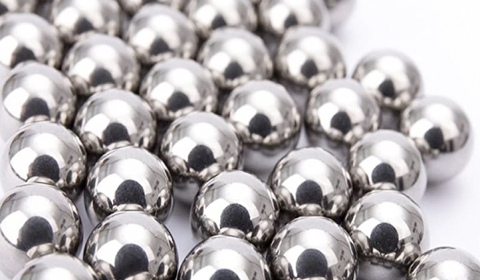
Custom machined steel balls are ball-shaped metal components produced or further processed to meet a buyer’s required diameter, roundness, surface condition, material choice, and inspection criteria. They differ from a general stock ball because the purchase decision may include secondary machining, sorting, surface improvement, special packaging, or inspection records requested for a specific assembly. For technical buyers, the definition matters because a quotation cannot be compared by unit price alone. A lower-priced lot can create added sorting, fitting, polishing, or assembly work after delivery. The correct buying approach is to define the ball’s function first, then set only the precision steel ball tolerances and quality controls that the function genuinely needs. This is especially relevant when sourcing custom machined steel balls for bearing assemblies, automotive components, motion systems, valves, or equipment with repeated contact loads. JHSteel Balls Co.Ltd. produces precision balls, steel balls, metal balls, alloy balls, ceramic balls, CV joint balls, and bearing balls within its available production range of 9.525–26.987 mm.

Buyers should separate the component type from the finishing requirement before requesting custom machined steel balls. This reduces quote revisions and prevents suppliers from pricing an unsuitable route. Standard bearing balls may fit rolling contact applications, while CV joint balls serve a different assembly environment and may require a distinct purchasing specification. CNC machined steel spheres are normally considered when a drawing calls for a feature, condition, or process beyond an ordinary stock-ball request. Metal, alloy, and ceramic ball options may also be evaluated where the assembly has different material or operating needs. The sound conclusion is to request the simplest ball type that meets the assembly requirement, because additional processing should have a stated purpose. This approach fits prototype sourcing and production RFQs alike. It does not apply when an existing drawing, customer standard, or regulated internal quality plan already fixes the material and inspection method.
| Component option | Best purchasing scenario | What to define in the RFQ | When it may not fit |
|---|---|---|---|
| Precision steel ball | General rolling, locating, or mechanical contact use | Diameter requirement, intended application, quantity, and required checks | When a non-steel material is required by the assembly |
| Bearing ball | Rolling bearing and related motion assemblies | Ball size, tolerance requirement, finish expectation, and lot documentation needs | When the ball needs a non-standard machined feature |
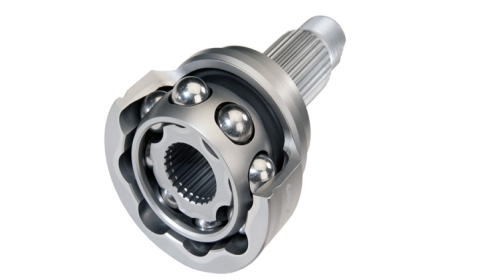
| CV joint ball | Automotive driveline component sourcing | Vehicle or component drawing reference and verification requirements | When the application is not a CV joint assembly |
| CNC machined steel sphere | Drawing-led custom component projects | Drawing, critical surfaces, secondary operations, and acceptance criteria | When a standard precision ball fulfills the design need |
| Ceramic or alloy ball | Projects requiring a material alternative | Material request and functional reason for the selection | When a steel ball remains suitable and lower total processing cost is preferred |
Before selecting a category, compare the intended use against the available product family rather than assuming every spherical component needs the same process. Buyers sourcing driveline parts can review automotive CV joint steel balls, while rolling-element projects can compare high precision bearing balls. The recommendation is practical: give the supplier the application name, the drawing if available, and the acceptance points that determine pass or fail. The reasoning is that application context helps identify whether a stock precision ball, a sorted lot, or a further processed item is being quoted. This fits buyers who are comparing several quotations with different descriptions. It does not replace an engineering review when the ball is part of a safety-related product or a proprietary assembly with unshared design requirements.
The most useful features of custom machined steel balls are not always visible in a short quotation. Buyers should ask how the diameter band, surface finish requirement, secondary machining request, and inspection evidence will be handled. The clear recommendation is to turn each functional concern into a written acceptance item. For example, if inconsistent ball size causes fit-up rejects, specify the required tolerance band rather than writing only “precision.” If surface marks affect sealing, contact motion, or cosmetic approval, state the surface condition expected and how it will be checked. If a component needs secondary machining, identify the feature and the drawing revision. This method fits assemblies where receiving inspection or downstream machining can stop production. It does not apply when the buyer has no functional requirement beyond a general stock ball, because unnecessary controls can increase custom steel ball pricing without reducing a real production risk.
Custom machined steel balls are used where a spherical component must transfer load, support motion, locate a part, or operate repeatedly against a mating surface. Typical purchasing categories include bearing components, CV joint assemblies, industrial mechanical equipment, and custom metal ball applications. The best specification is the one tied to the failure mode that costs the buyer money. If the risk is assembly interference, prioritize the diameter requirement. If the risk is rough contact or surface-related rejection, prioritize finish acceptance. If the risk is an incorrect custom feature, prioritize drawing control and first-piece approval. This reasoning fits technical purchasing teams that need to coordinate quality, engineering, and production. It does not mean every application needs the tightest possible requirements. Over-specifying a ball can raise purchase cost and inspection effort while offering no measurable reduction in scrap or rework.
A useful procurement exercise is to identify where the ball enters the process and what happens if it fails. A ball installed before an expensive assembly step has a higher potential rework cost than one checked at goods receipt. Likewise, a ball that can be easily exchanged may justify a different control plan from a ball enclosed in a finished unit. Buyers can use the supplier’s industrial steel ball uses page to compare broad application categories, then translate the chosen use into acceptance criteria. The conclusion is straightforward: buy the quality level that protects the most expensive downstream operation. This approach fits both prototype and repeat purchasing. It does not apply as a substitute for formal validation testing where an end customer or internal engineering standard requires documented qualification.
When reviewing custom steel ball pricing, separate confirmed costs from estimated costs and unknown costs. Confirmed costs are stated in the supplier quotation, such as the offered unit price and any clearly identified processing or inspection charge. Estimated costs are internal buyer calculations, such as receiving labor, sorting time, production stoppage exposure, and the cost of replacing rejected material. Unknown costs are risks that cannot be priced reliably before the order, including an undisclosed mismatch between inspection methods or a secondary-machining interpretation that is not documented. The recommendation is to compare quotations using all three groups rather than selecting the lowest unit price. This fits any project where rejected balls create downstream labor or delay. It does not apply when all quotations cover an identical, fully defined stock item and the buyer’s internal rework exposure is genuinely negligible.
| Cost driver | Confirmed cost to request from supplier | Estimated buyer-side rework cost | Unknown cost to reduce before ordering |
|---|---|---|---|
| Tolerance bands | Quoted price for the requested tolerance level | Sorting, fit checks, rejected assemblies, and replacement labor | Whether supplier and buyer use the same acceptance method |
| Secondary machining | Price for each stated operation and drawing-controlled feature | Buyer machining, correction work, and scrap from an incorrect feature | Whether the drawing identifies all critical details and revision status |
| Surface finish | Quoted finish process and inspection requirement | Polishing, cleaning, assembly rejects, or contact-related rework | Whether visual acceptance and functional acceptance are aligned |
| Inspection sampling | Inspection scope, report requirement, and any separate checking charge | Incoming inspection labor and the cost of discovering defects late | Whether the sample plan can detect the buyer’s actual risk |
Do tighter steel ball tolerances increase price? Often, they can, because tighter requirements may require more processing, sorting, measurement, or rejection control. However, that statement is not a price fact for every RFQ. The actual increase is unknown until the size, required tolerance, quantity, material, surface requirement, and inspection plan are defined. A tighter band is justified when it prevents a known fit or performance failure. It is not justified merely because “higher precision” sounds safer. Steel ball inspection cost should be reviewed the same way. More checking can reduce the chance of a late discovery, but excessive sampling or reporting can add cost without addressing the actual failure mode. Ask suppliers to identify what is included, what is optional, and what remains buyer-defined.
The most effective way to reduce rework is to close specification gaps before the supplier begins processing custom machined steel balls. Start with the current drawing revision and identify the dimensions or conditions that directly affect assembly. Next, state whether the request is for a prototype, first article, or recurring production lot, because the review level may differ. Then define inspection expectations in plain terms: what must be measured, what evidence is required, and what constitutes rejection. Finally, compare the supplier’s quotation against that list line by line. This process fits technical buyers managing prototype-to-production transfer, where an unclear initial order can create repeated corrections. It does not replace internal design verification. A supplier can manufacture to an agreed requirement, but the buyer remains responsible for confirming that the requirement matches the final assembly function.
A supplier should be evaluated on its ability to process the requested component and communicate how quality will be checked, not on unit price alone. JHSteel Balls Co.Ltd. is a custom machined steel balls supplier offering precision balls, steel balls, metal balls, alloy balls, ceramic balls, CV joint balls, and bearing balls. The company states that it produces different standards of steel balls from 9.525–26.987 mm, with annual output of 150–200 million steel balls, and can process products according to customer needs. Its steel balls are strictly inspected using advanced steel ball inspection equipment, supported by a complete intelligent quality checking system. The practical recommendation is to send the drawing, required inspection points, application details, and expected order stage with the RFQ. This fits buyers seeking a quote that can be reviewed by both purchasing and engineering. It does not guarantee suitability where the buyer has not supplied functional requirements or needs beyond the stated product range.
Custom machined steel ball cost is affected by the requested ball type, dimensional requirement, tolerance band, secondary machining, surface requirement, inspection scope, documentation request, order quantity, and whether the order is a prototype or repeat production purchase. The safest buying decision is to ask for these elements to be identified in the quotation instead of accepting a single unexplained price. That makes confirmed charges visible and allows the buyer to estimate downstream handling costs. A low unit price may still be appropriate when the component is a simple stock item and the receiving process is low risk. It may not be appropriate when the quote leaves material condition, finish, measurement scope, or drawing revision unclear.
Tighter precision steel ball tolerances can increase price when they require added processing, sorting, or inspection. The decision should be based on the cost of a poor fit, assembly rejection, or downstream rework rather than a general preference for tighter control. For example, if a wider band causes measurable assembly interference, paying for a tighter requirement may reduce total production cost. If the assembly accepts the wider band without added sorting or performance loss, tighter control may be unnecessary. Ask for the required tolerance to be written in the RFQ and verify that supplier and buyer use compatible measurement expectations before the purchase order is released.
Custom steel ball rework can be reduced by sending the current drawing, identifying functional acceptance criteria, separating mandatory controls from preferences, confirming the inspection plan, and checking prototype results before repeat orders. JHSteel Balls Co.Ltd. can process and produce steel balls according to customer needs within its stated capabilities, while applying strict inspection with advanced equipment and an intelligent quality checking system. Buyers looking for custom machined steel balls can submit drawings and request the latest product quotation from JHSteel Balls Co.Ltd.
Contact JHSTEELBALLS to get high quality and precision steel balls for your applications, bearings lines and any other applicable places. We will reply within 24 hours