Precision Balls vs Standard Balls Key Differences
2026-08-04


Precision balls are spherical components manufactured and inspected to tightly controlled requirements for diameter, roundness, surface finish, hardness, and batch consistency. Unlike general-purpose steel balls, they are designed for assemblies where a minor dimensional error can affect friction, noise, vibration, service life, or movement accuracy. In bearing systems, valves, automotive joints, measuring equipment, and motion-control devices, each ball must contact its mating surface evenly. A standard ball may work well for simple positioning, grinding, or decorative applications, yet it may not deliver the repeatability needed in a loaded mechanism. Buyers should view precision balls as engineered components, not basic metal accessories. The correct grade depends on the application, load, speed, material, operating environment, and inspection standard.
Several types of precision balls are available, with each suited to particular operating conditions. Steel precision balls are widely used in bearings, linear guides, pumps, valves, and automotive components because they combine strength with reliable wear resistance. Chrome steel balls are common where high hardness and dimensional stability are essential. Stainless steel balls are often selected for applications exposed to moisture, mild chemicals, or food-processing conditions. Ceramic balls, including silicon nitride balls, reduce rotating weight and can perform well at high speed or where electrical insulation is required. Alloy balls may be specified for additional hardness or impact resistance. JHSteel Balls also supplies metal balls, bearing balls, CV joint balls, and grinding balls in various sizes and standards. Available production ranges include approximately 9.525 to 26.987 mm, while custom processing is available for specific drawings and performance requirements.
Material selection should start with the working environment rather than purchase price alone. Chrome bearing steel is a practical option for many loaded rolling-contact applications. Stainless grades are better suited to humid locations and equipment requiring improved corrosion resistance. Carbon steel can be an economical choice for less demanding applications, while alloy steel may be selected for higher hardness or impact resistance. Ceramic balls are considered when low density, low friction, electrical insulation, or high-speed operation is important. Before placing an export order, buyers should confirm the material designation, heat treatment, hardness range, magnetic behavior, and corrosion requirements. The [bearing steel guide](https://www.jhsteelballs.com/news/What-is-Bearing-Steel.html) can help purchasing teams compare common steel grades used in rolling components.
The key difference between high-precision balls and standard balls is the level of control over measurable properties. A precision product is normally sorted into a defined grade or tolerance class and checked for diameter variation, roundness, waviness, surface roughness, and hardness. Standard balls may allow wider dimensional variation because their intended applications do not require the same close control. That does not mean standard products are defective; they are simply made for less demanding work. In a bearing, a deviation of only a few micrometres can influence preload, running noise, and contact stress. In a simple stopper or mixing process, the same deviation may have little practical effect. A reliable supplier should state the inspection method, acceptance limits, packing quantity, and traceability information instead of describing the product only as “high quality.”
Tolerance is the permitted difference between the specified size and the measured size. Roundness indicates how closely a ball approaches a perfect sphere. Both values matter because a rolling element with an inconsistent shape will not contact its raceway as intended. Buyers should also review ball grade, lot-to-lot variation, and the number of balls available within the required size band. JHSteel Balls provides [steel ball specifications and tolerances](https://www.jhsteelballs.com/techspecs.html) so engineers can compare dimensions and inspection requirements before requesting a quotation. The best specification is not always the tightest one. Over-specifying tolerance can raise cost without improving the finished assembly if the housing, raceway, lubricant, or shaft is controlled to a looser standard.
Surface finish influences friction, lubrication behavior, contact noise, and wear. A smoother surface can reduce local stress peaks and help a bearing or valve operate more consistently, although the required finish still depends on the mating part and lubricant. Hardness must also match the load. A ball that is too soft may deform under pressure, while an unnecessarily hard material can increase manufacturing cost or create compatibility issues with the raceway. Heat treatment, grinding, lapping, and polishing are used to achieve the required result. Buyers should request test records or inspection reports covering hardness, surface roughness, and dimensional checks. A clear quality plan becomes especially valuable when ordering several million pieces for automated assembly.
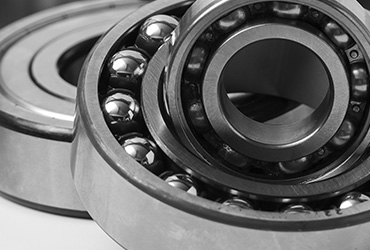
Precision ball bearings rely on accurately sized rolling elements to maintain controlled rotation, load distribution, and service life. Inside a bearing, the balls work with the inner race, outer race, cage, lubricant, and seals. If one component falls outside the intended range, the complete assembly may develop excess noise or vibration. Steel precision balls are also used in CV joints, screw drives, pumps, spray systems, check valves, and measuring instruments. Industrial precision balls can improve repeatability in equipment that operates continuously or at high speed. They may not be necessary for a low-load mechanism that moves slowly and allows visible play. The practical question is not whether a tighter grade is better in isolation, but whether the whole machine can benefit from its added accuracy.
Precision balls are used wherever a spherical contact element must transfer load, guide movement, seal a passage, or maintain a measured position. Typical applications include ball bearings in motors and gearboxes, automotive CV joints, linear motion systems, ball screws, aerospace mechanisms, pumps, valves, medical equipment, laboratory instruments, and precision gauges. Chrome steel balls for ball bearings are widely selected for rotating assemblies that require hardness and consistent size. In automotive systems, the ball must withstand repeated articulation, impact, lubrication changes, and high contact pressure. JHSteel Balls supplies [automotive CV joint steel balls](https://www.jhsteelballs.com/steel-balls-for-cv-joints.html) for this type of requirement. Grinding balls serve a different purpose: they are selected for crushing and milling rather than low-friction rolling contact.
Standard balls can be a sensible choice for simple latches, counterweights, tumbling media, decorative products, low-cost positioning devices, and certain material-handling operations. They may also suit equipment where the ball is not part of a precision running interface. Buyers should define real operating conditions before ruling out a standard grade. If the ball does not carry a concentrated load, rotate at high speed, or influence measurement accuracy, tighter tolerances may offer little benefit. The decision should also account for downtime, replacement labor, rejected assemblies, and warranty claims. In practice, the lowest unit price is not always the lowest operating cost, but the most expensive grade is not automatically the right engineering choice either.
Precision balls differ from standard balls in five main areas: dimensional accuracy, material control, tolerance, surface finish, and performance consistency. A precision grade goes through additional grinding, lapping, sorting, and inspection steps. It is usually supplied with clearer technical data and tighter lot control. A standard ball may have a broader diameter range, a less controlled surface, and a material specification intended for general use. Precision products are more likely to match bearing or motion-system requirements, while standard products are often chosen for cost-sensitive tasks. The difference is not always visible. Two balls can look identical to the naked eye yet deliver very different results in a high-speed bearing. Measurement equipment and documented inspection are needed to confirm the distinction.
When comparing suppliers, request the ball diameter, tolerance class, roundness, surface roughness, material grade, hardness, density if ceramic, magnetic properties, packing method, and inspection records. Also confirm whether the quoted size is nominal or actual, whether sorting is included, and whether mixed lots are prohibited. For export orders, packaging matters because moisture, impact, and contamination can damage a polished surface during transit. You may also need a certificate of material, dimensional inspection data, heat-treatment records, and a declaration of conformity. JHSteel Balls offers [custom precision steel balls](https://www.jhsteelballs.com/precesion-steel-balls.html) for buyers who need a drawing-based or application-specific specification rather than an off-the-shelf size.
The right industrial precision balls depend on load, speed, temperature, corrosion exposure, electrical requirements, and contact design. Chrome steel balls are often suitable for standard bearing assemblies, gearboxes, and general machine components. Stainless steel balls are preferred where moisture or cleaning agents may be present. Ceramic balls can be considered for high-speed bearings, electrically isolated systems, and applications where reduced rotating mass is useful. Slewing bearing steel balls are selected for large bearings used in cranes, construction machinery, wind equipment, and industrial turntables. For automotive service, chrome steel balls for car CV joints require close attention to hardness, size consistency, and surface finish. A supplier should review working conditions with the buyer rather than recommend one material for every application.
The price of precision balls varies with material, diameter, tolerance, grade, surface finish, order volume, inspection level, and packaging. Even a small change in tolerance can add grinding, lapping, sorting, and measurement time. Stainless steel and ceramic materials may cost more than common bearing steel, while special alloys can require additional heat treatment or certification. Larger diameters generally need more raw material and longer processing cycles. Export pricing may also include packing, documentation, freight terms, and customer-requested testing. Buyers should compare quotations on the same technical basis. A low price for a loose standard ball is not directly comparable with a sorted, inspected bearing-grade lot. Ask suppliers to separate product cost from inspection, packaging, and delivery charges so the purchasing team can assess the real total.
Send the supplier a drawing or clear specification that includes nominal diameter, tolerance, material, hardness, surface finish, quantity, application, and required certificates. State whether the balls will be used in bearings, CV joints, valves, grinding equipment, or another assembly. Include annual demand for ongoing projects, because a forecast of 150 million pieces is assessed differently from a trial order of 5,000 pieces. Also specify the destination port, preferred Incoterm, packing requirements, and inspection standard. If the design is still under development, provide operating load and speed so the supplier can suggest a practical grade. This information reduces quotation revisions and helps prevent a mismatch between the ordered product and the final assembly.
Correct handling remains essential after the balls arrive. Keep them in sealed, clean packaging until use, and store them away from water, dust, welding fumes, and corrosive chemicals. Do not place polished balls directly on dirty steel benches or mix different grades in one container. Before assembly, inspect the raceway, cage, shaft, and housing for burrs and contamination. Use the lubricant recommended for the bearing or mechanism, and avoid touching the running surface with bare, oily, or dirty hands. During installation, apply even force and never hammer the ball against a raceway. For replacement work, confirm the original material, diameter class, and hardness rather than selecting a visually similar ball. Proper installation protects the surface finish the buyer paid to obtain.
A receiving inspection may include sampling diameter, checking roundness, reviewing surface condition under magnification, confirming hardness records, and verifying the packing label against the purchase order. High-volume customers may use a documented sampling plan based on lot size and risk. If the balls are used in a bearing, test noise, vibration, torque, and temperature during a controlled trial. For valves or sealing systems, check leakage and operating force. Record the lot number so any abnormal result can be traced back to supplier documentation. JHSteel Balls describes its production process in this [steel ball manufacturing guide](https://www.jhsteelballs.com/news/How-does-steel-balls-manufactured.html), which explains how forming, heat treatment, grinding, lapping, and inspection contribute to the finished product.
JHSteel Balls Co.Ltd. is a precision balls supplier serving industrial buyers that require steel balls, metal balls, alloy balls, ceramic balls, CV joint balls, and bearing balls. The company produces approximately 150 to 200 million steel balls annually in different standards and sizes from about 9.525 to 26.987 mm, with processing and production available according to customer requirements. Each batch is inspected using advanced steel ball inspection equipment. A complete intelligent quality-checking system supports control of size, roundness, surface condition, and product consistency. For buyers comparing export manufacturers, the important factors are production capacity, technical communication, inspection records, stable packaging, and the ability to repeat the same specification on future orders. JHSteel Balls also provides [high precision bearing balls](https://www.jhsteelballs.com/precesion-bearing-steel-balls.html) and [precision chrome steel balls](https://www.jhsteelballs.com/precesion-steel-balls/Chrome-Steel-Balls.html) for different industrial requirements.
A dependable supplier should be able to discuss the application, confirm material and tolerance requirements, provide samples when needed, and explain how the product is inspected before shipment. JHSteel Balls supports buyers seeking repeat orders, custom sizes, and application-specific steel ball solutions. Its product range includes ball bearing chrome steel balls, slewing bearing balls, CV joint balls, precision chrome steel balls, and industrial grinding steel balls. You can review the company’s [steel ball production factory](https://www.jhsteelballs.com/manufacturing.html) and [industrial steel ball uses](https://www.jhsteelballs.com/applications.html) when preparing an internal sourcing comparison. If you are looking for a precision balls supplier, contact JHSteel Balls Co.Ltd. for the latest product quotation, technical details, and export order support.
Precision balls are used in bearings, CV joints, ball screws, linear guides, valves, pumps, measuring instruments, medical equipment, and other mechanisms where controlled spherical contact is required. They help maintain predictable rotation, load distribution, movement, or sealing. The required grade depends on the assembly. A motor bearing may need chrome steel balls with a tight diameter range and polished surface, while a humid processing machine may require stainless steel. Ceramic balls may be selected for high-speed or electrically insulated applications. Buyers should not choose by diameter alone. Material, hardness, surface roughness, tolerance, operating speed, load, lubrication, and temperature all affect suitability.
Precision balls are manufactured and sorted to tighter requirements for diameter, roundness, surface finish, hardness, and lot consistency. Standard balls normally allow wider variation because they are intended for general-purpose work. This difference can affect bearing noise, vibration, friction, wear, and service life when the balls operate under load or at high speed. Standard balls may still be appropriate for simple positioning, decorative products, tumbling, or low-load mechanisms. Buyers should compare the full specification and inspection method rather than rely on the product name. Two products may both be called steel balls while having very different tolerance classes and performance in the finished machine.
Chrome steel balls suit many bearing and machine applications because they offer high hardness and good wear resistance. Stainless steel balls are useful where moisture or mild chemical exposure is expected. Ceramic balls can suit high-speed bearings, electrical insulation requirements, and systems where lower rotating mass is beneficial. Alloy steel balls may be selected for specific impact or hardness requirements, while specialized grinding balls are made for milling rather than rolling bearings. To choose correctly, provide the supplier with the load, speed, temperature, environment, mating material, lubricant, and required service life. JHSteel Balls can review these details and recommend a suitable material, size, tolerance, and inspection plan.
Precision balls are worth specifying when dimensional variation, surface condition, and repeatable performance directly affect the machine or assembly. Standard balls remain useful for simpler, less demanding applications. The right purchasing decision comes from matching grade and material to actual operating conditions, then confirming the supplier’s inspection and export capabilities. JHSteel Balls Co.Ltd. manufactures and supplies steel, chrome steel, alloy, ceramic, bearing, and CV joint balls for industrial customers. Contact JHSteel Balls today for product details and the latest quotation for your required precision balls.
Contact JHSTEELBALLS to get high quality and precision steel balls for your applications, bearings lines and any other applicable places. We will reply within 24 hours
