How to Calculate Installed Cost for Custom Large Steel Spheres
2026-08-17


Custom large steel spheres are fabricated metal balls, typically hollow or solid, built to architectural or industrial specifications well beyond standard bearing sizes. Most procurement teams get a fabrication quote, assume that's the final number, then get hit with freight and rigging invoices that add 30-50% to the project cost. That gap between the quoted price and the installed price is where budgets fail. If you're comparing bids right now, the vendor who quotes only "ball price" without breaking out finish, crating, freight, and site labor is not giving you a number you can plan around — they're giving you a starting point that will move.
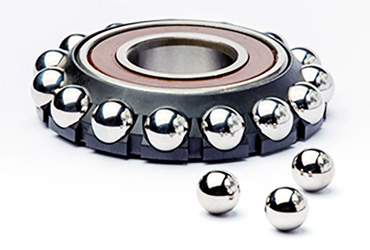
A custom large steel sphere is a fabricated metal ball, usually shell-welded from steel plate segments (gores) rather than forged solid, built to a specified outside diameter, wall thickness, and surface finish for a single project. Unlike standard precision bearing balls, which run 9.525mm to 26.987mm and are mass-produced to tight tolerance for rotating machinery, large spheres serve architectural landmarks, public art, industrial pressure vessels, and specialty equipment housings. They can range from 300mm garden features to multi-meter public sculptures. Because each order is unique, pricing is never a catalog lookup — it's a build-up from raw material, labor, and logistics.
Not all large spheres are built the same way, and the fabrication method drives most of the cost variance you'll see across vendor quotes.
Buyers should expect a written spec sheet covering diameter tolerance, wall thickness, weld schedule, and surface finish class before signing off on any quote. Key features to confirm include:
These same quality-control principles — tight tolerance, verified roundness, documented finish — carry over from our work producing automotive CV joint steel balls, where dimensional consistency is non-negotiable, just applied at architectural scale instead of millimeter scale.
Large steel spheres show up in more places than most buyers expect at the start of a project:
Each application changes the spec. A civic plaza sphere needs a weatherproof finish and often an internal drainage hole; an industrial ballast sphere needs mass and load rating, not polish.
This is the section most quotes skip. The number a vendor emails you is rarely the number your project actually pays. Installed cost breaks into five line items, and skipping any one of them is the most common budgeting mistake we see from architects and general contractors.
| Cost Component | What It Covers | Typical Share of Total |
|---|---|---|
| 1. Shell Fabrication | Steel plate, cutting, rolling into gores, welding into a sphere shell | 35-45% |
| 2. Surface Finish | Grinding welds, sandblasting, priming, powder coat or polish | 10-15% |
| 3. Crating | Custom wood or steel cradle built to the sphere's exact curvature to prevent transit damage | 5-8% |
| 4. Freight | Oversized-load trucking, ocean freight if importing, insurance | 15-25% |
| 5. On-Site Rigging | Crane rental, riggers, foundation anchoring, final positioning | 10-20% |
The formula reads: Installed Cost = Shell Fabrication + Surface Finish + Crating + Freight + Rigging. Add these five together before you compare two bids side by side — otherwise you're comparing a fabrication-only number against one vendor's fully-installed number, and the "cheaper" quote may end up costing more once the sphere actually lands on your site.
Left over, roughly 7% covers project management, permits for oversized transport, and contingency. This is a proportional model, not a fixed quote — actual dollar figures depend on steel market pricing at time of order and your site's crane access.
Custom steel sphere pricing swings on a handful of variables that buyers should ask about upfront, not after the deposit is paid:
Large sphere freight cost is driven mainly by whether the piece qualifies as an oversized or overweight load, which triggers permit fees and pilot-car requirements in most regions. Anything over roughly 2.6 meters wide typically needs a wide-load permit in the US; check your state DOT rules before finalizing diameter. What affects large steel sphere shipping costs most:
For steel sphere installation, follow this sequence to avoid the most common on-site failures:
Before finalizing a purchase order, run every quote against this checklist:
JHSTEELBALLS is a professional steel balls manufacturer producing 150-200 million units annually across the 9.525mm to 26.987mm range for bearings and chrome steel balls for car CV joints, and we extend that same fabrication discipline and inspection process to custom project work. Every batch runs through our intelligent quality checking system, using advanced inspection equipment to verify dimensional accuracy before anything ships. If you're sourcing custom large steel spheres or need help breaking down installed cost across fabrication, finish, freight, and rigging, feel free to contact us for the latest product quote. Our team can also walk you through steel ball production factory capabilities and current steel ball specifications and tolerances before you finalize a spec sheet.
Fabrication alone for a 1-2 meter hollow steel sphere typically runs into five figures depending on wall thickness and finish, with the full installed cost — including crating, freight, and rigging — commonly landing 40-60% above the raw fabrication number. Get itemized quotes rather than a single lump sum.
Installation, meaning crane rental, rigging crew, and foundation anchoring, generally runs 10-20% of total installed cost. A half-day crane rental with a two-person rigging crew is the typical minimum for spheres over 1.5 meters diameter.
Distance, whether the piece ships whole or segmented, oversized-load permitting, and declared insurance value are the four biggest drivers. Segmenting a sphere for bolt-together assembly on-site can cut freight cost significantly versus shipping one oversized whole piece.
Yes. Bolt-together segmented spheres are common specifically to avoid oversized-load permits and reduce large sphere freight cost, though this adds a field-assembly step and requires precise flange alignment at the fabrication stage.
For more background on how base material quality affects long-term sphere and ball performance, see our guide on bearing steel fundamentals, or review general engineering references on the metal fabrication process for additional technical context.
Contact JHSTEELBALLS to get high quality and precision steel balls for your applications, bearings lines and any other applicable places. We will reply within 24 hours