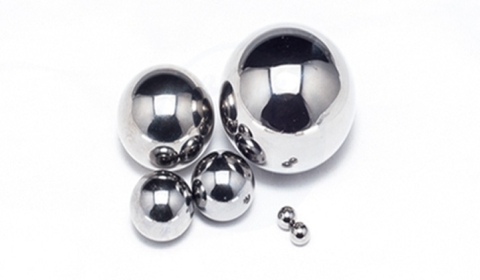
Drilled Steel Balls Complete Guide | JHSteelBalls
2026-08-14


Steel ball for valve is a precision sphere that controls flow, seals against a seat, or actuates a valve mechanism. Industrial valves use these balls in ball valves, check valves, pressure relief valves, and solenoid valves. A valve ball must be round, hard, and smooth enough to maintain a tight seal after repeated movement. Buyers evaluating these components usually check diameter, roundness, surface roughness, hardness, and chemical composition. At JHSteel Balls, we manufacture spherical products from 9.525 mm to 26.987 mm and can adjust material or tolerance to match a specific valve design. Our production line is built for batch consistency because mixed-size or out-of-round balls create leaks and early wear. That consistency reduces downstream assembly problems for valve manufacturers and maintenance teams.
Valve balls are grouped by material and precision grade. Chrome steel balls are common in hydraulic and pneumatic valve applications because they offer high hardness and good wear resistance. Alloy steel balls work where additional strength or heat treatment is needed. Ceramic balls are selected for corrosion resistance and non-magnetic requirements. Stainless steel balls may be specified for chemical or food-related flow control. The best steel ball for valve choice depends on working pressure, temperature, media, and seat material. Each material changes how the ball performs under repeated cycling. The table below compares typical selection factors.
| Material type | Common valve use | Key buyer consideration |
|---|---|---|
| Chrome steel | Hydraulic control valves, check valves | High hardness, tight tolerance, cost-effective |
| Alloy steel | High-pressure valve seats | Strength under load |
| Ceramic | Corrosive or non-magnetic systems | Corrosion resistance, lighter weight |
| Stainless steel | Chemical and food-contact valves | Surface finish and material compliance |
We keep clear material traceability records for every batch because mixed steel grades are a common source of valve field failures.
A valve ball only performs well when the balance of roundness, hardness, and surface finish is stable across the full order. We use advanced steel ball inspection equipment to check geometry and reject out-of-round parts. Our complete intelligent quality checking system records key measurements before shipment. This helps buyers avoid the cost of incoming inspection and line-stop sorting. Key features we control for valve applications include:
For exact geometry limits, refer to our steel ball specifications and tolerances page. Our inspection data also supports quality documentation for valve assembly audits.
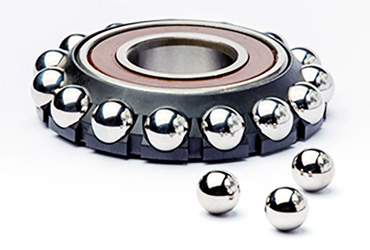
Steel balls for valves appear in hydraulic manifolds, chemical processing lines, water treatment equipment, and mobile machinery. A check valve uses the ball to seal against flow reversal. A ball valve uses a bored ball to open or close the flow path. Solenoid and pressure relief valves rely on the ball to respond quickly to pressure changes. A steel ball for valve in a check valve must have predictable cracking pressure and no internal bypass after repeated cycling. See our industrial steel ball uses page for broader application examples. In valve assemblies, even a small change in ball roundness can shift seat contact and create leakage. We recommend confirming the ball and seat have a compatible hardness strategy because a very hard ball can accelerate wear on a soft seat.
Pricing for a steel ball for valve depends on material, size, tolerance, order quantity, and required inspection level. A standard chrome steel ball in a common size usually costs less than a custom alloy or ceramic ball with tighter geometry limits. Small sample orders carry higher unit cost because setup and inspection time are spread across fewer pieces. Production batches of 9.525 mm to 26.987 mm can be processed more efficiently when the order volume matches standard workflows. Additional surface treatment, packaging, or full inspection reports can also affect price. We typically recommend sharing the working pressure, media, and seat material so we can quote a ball grade that fits the application without over-specifying. If the valve runs at high cycle rates, paying for tighter roundness and better surface finish can reduce long-term warranty cost.
Before installing a steel ball for valve, confirm the diameter matches the seat and the material is compatible with the flow media. Clean the ball and seat area with a lint-free cloth to remove any particles that can scratch the surface. Do not mix balls from different batches in the same valve assembly because small diameter differences can change seat contact. If you are replacing a worn ball, check the seat for grooves or pitting. A new ball cannot fix a damaged seat. Store unused balls in dry, padded containers to prevent corrosion and surface nicks. For production teams, we suggest keeping incoming inspection records for diameter and roundness. You can review our steel ball production factory process to understand how batch control is maintained. These steps reduce assembly faults and extend valve service life.
JHSteel Balls Co.Ltd. is a professional steel balls manufacturer with annual production of different standards of 9.525 mm to 26.987 mm steel balls from 150 to 200 million pieces. We supply precision balls, steel balls, metal balls, alloy balls, ceramic balls, CV joint balls, and bearing balls. Every steel ball for valve is inspected with advanced steel ball inspection equipment before shipment. Our complete
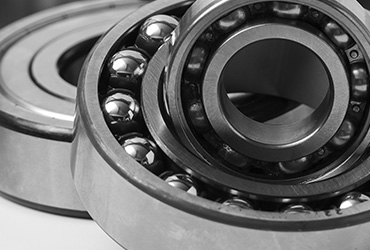
Contact JHSTEELBALLS to get high quality and precision steel balls for your applications, bearings lines and any other applicable places. We will reply within 24 hours
